



Decks are a popular addition to homes, providing an inviting space for relaxation and entertaining. However, in Chesterfield, MO, and similar areas with cold winters, heavy snow, and freeze-thaw cycles, selecting the right decking material is essential. Not all materials perform well under harsh winter conditions. This guide highlights three decking materials that can endure snow, ice, and temperature fluctuations while remaining beautiful and functional year-round.
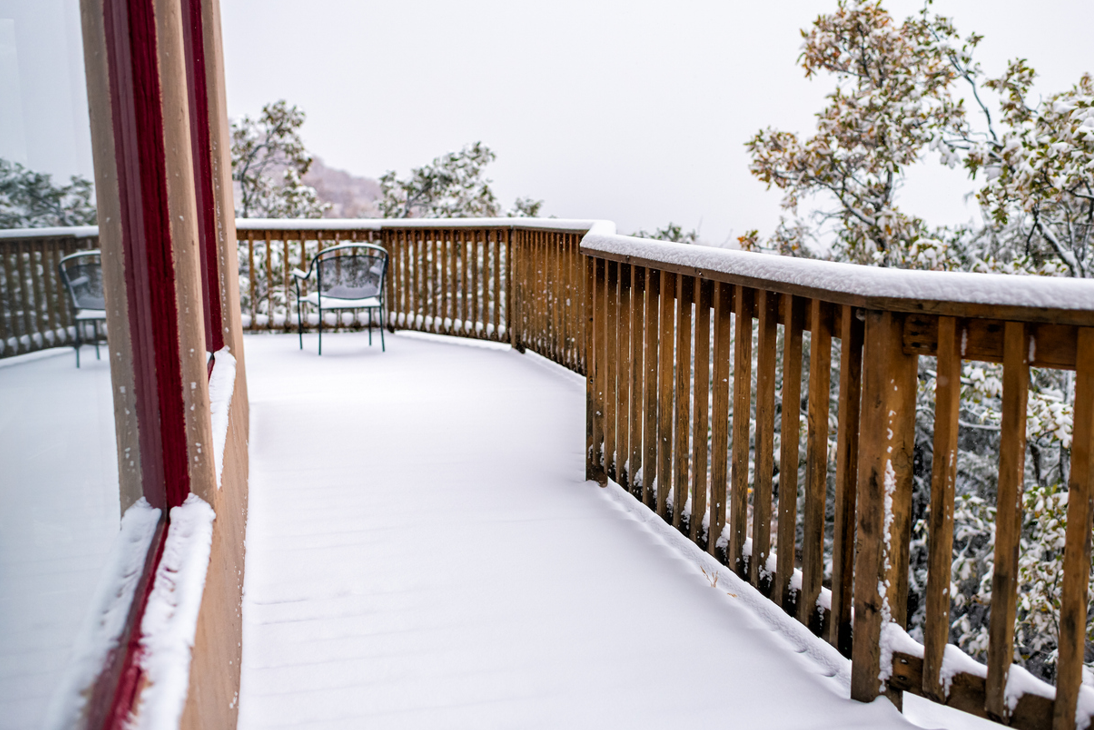
Understanding the Need for Weather-Resistant Decking
Cold climates present unique challenges for decks. Fluctuating temperatures cause materials to expand and contract, which can lead to warping or cracking. Snow and ice introduce moisture that can freeze within the decking, causing further damage. Choosing materials designed to withstand these conditions helps preserve your deck’s durability and appearance.
1. Composite Decking: Durable and Low-Maintenance
Composite decking is an ideal option for cold-weather climates. Made from a blend of wood fibers and plastics, it resists freezing temperatures, moisture, and the corrosive effects of ice-melting salts. Unlike natural wood, composite decking absorbs minimal water, reducing the risk of freeze-thaw damage. Its stability minimizes expansion and contraction, making it well-suited for harsh winter conditions. Additionally, composite decks require little maintenance, as they do not need sealing, staining, or sanding.
2. PVC Decking: Superior Moisture and Freeze Resistance
PVC decking is another excellent choice for areas with severe winters. This fully synthetic material contains no organic content, so it does not absorb moisture, rot, or split, even under repeated freeze-thaw cycles. PVC is highly resistant to stains and the effects of ice-melting chemicals. Many PVC decking options also feature slip-resistant textures, providing a safer surface during icy conditions.
3. Aluminum Decking: Ultimate Durability and Safety
Aluminum decking offers unmatched durability in extreme climates. It does not absorb moisture, warp, crack, or rot. Its natural resistance to rust and corrosion makes it especially suitable for areas where ice-melting salts are frequently used. Many aluminum decks also include an anti-slip surface, improving safety during snowy and icy winter months.
Maintaining Your Deck in Winter Climates
Regardless of the decking material, some basic maintenance can extend its life. Regularly remove snow and use the appropriate ice-melt products to prevent damage. Ensure your deck has proper drainage to avoid standing water or ice accumulation, which can cause long-term wear.
Ready to Upgrade Your Deck for Cold Weather?
Choosing the right decking material ensures your outdoor space withstands the challenges of Chesterfield, MO winters while remaining attractive and safe. Maris Home Improvements can help you select and install the ideal decking, whether you prefer the low maintenance of composite or PVC or the exceptional durability of aluminum.
To explore your options and begin planning your winter-ready deck, contact Maris Home Improvements at (636) 267-1511 or fill out our online form. Our team will help you create a stunning, durable, and safe outdoor space for years of enjoyment.